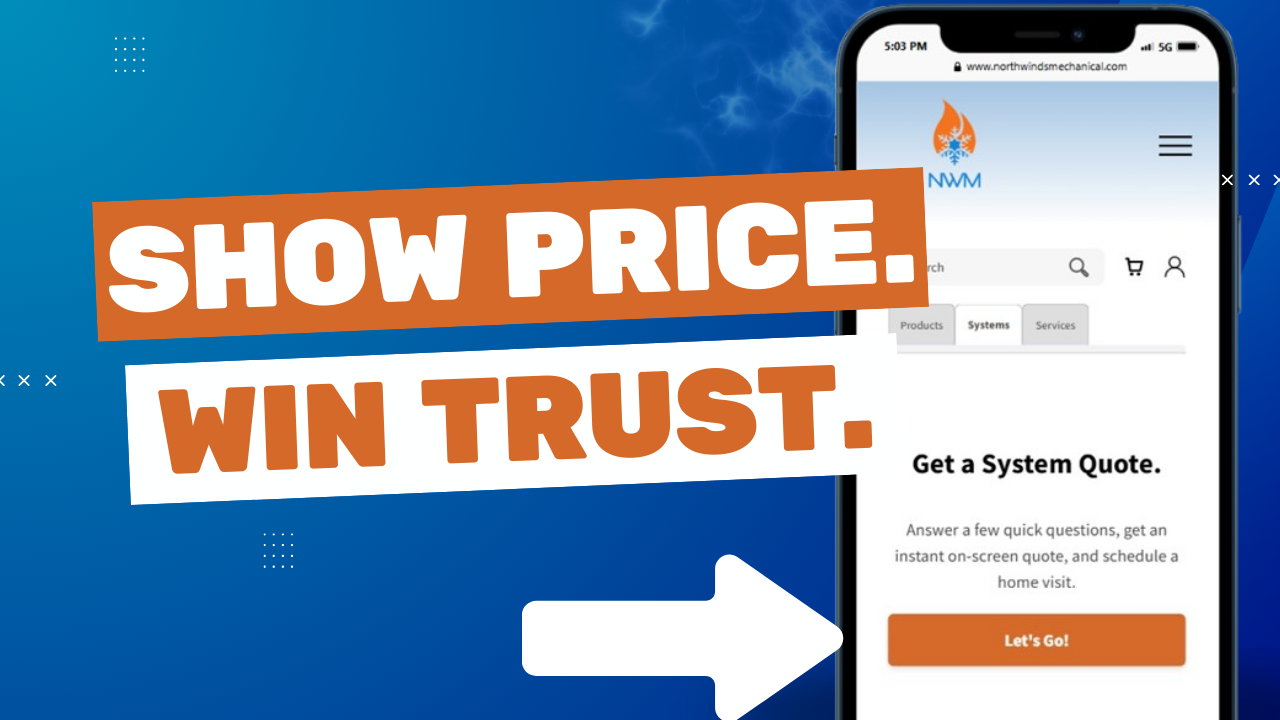
In an era dominated by digital advancements, businesses across various industries are harnessing the power of ecommerce to streamline operations, improve customer experience, and boost sales. However, when it comes to the residential HVAC contracting sector, particularly for those dealing with higher-priced products and services, there’s a hesitancy to adopt ecommerce due to concerns about transparency and potential undercutting by competitors. In this blog post, we will explore why HVAC contractors, especially those with premium offerings, should not fear embracing ecommerce. We’ll delve into the advantages, address common concerns, and draw inspiration from other industries that have successfully navigated similar challenges.
1. Building Trust through Transparency
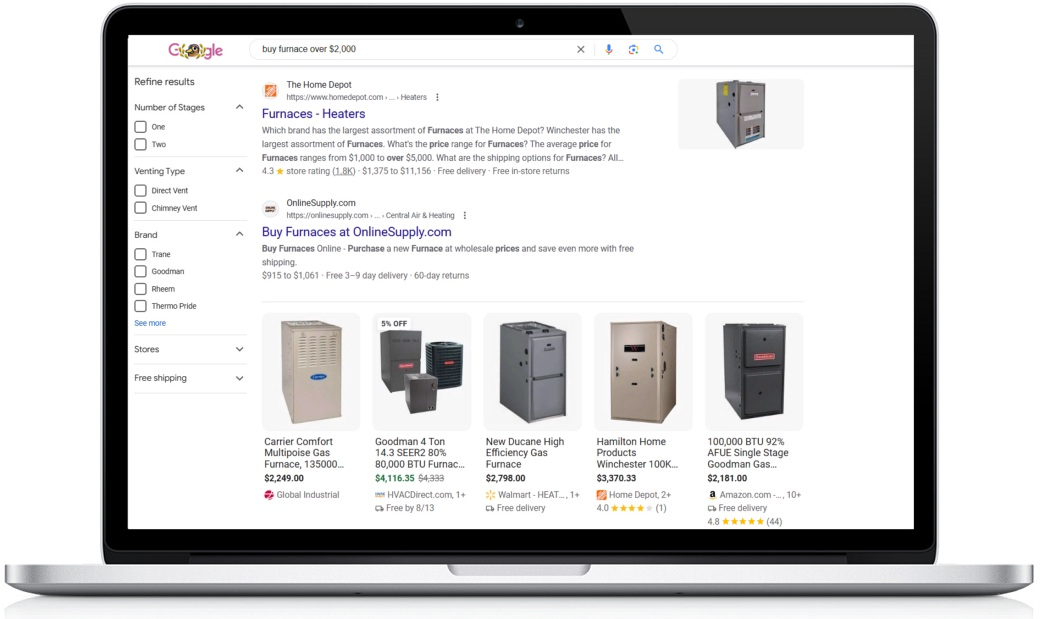
One of the primary fears among HVAC contractors with higher-priced services is the perceived risk of losing business if potential customers can easily compare prices online. However, embracing ecommerce can actually build trust with consumers. By providing transparent pricing for fully-installed HVAC systems, contractors demonstrate a commitment to honesty and integrity. Transparency is a key factor in establishing trust, and customers are more likely to choose a contractor they feel is upfront about costs. When searching for HVAC or furnace pricing, customers typically see options from major retailers like Amazon, Home Depot, and other online sellers. Local HVAC companies rarely appear in these searches unless they have an ecommerce store, highlighting the importance of having an online presence to reach potential customers.
2. Educating the Customer
Ecommerce platforms offer an excellent opportunity to educate customers about the value and quality of high-priced HVAC systems. Contractors can use their online presence to provide detailed product information, highlight the superior features of their offerings, and showcase successful case studies. By presenting the unique selling points of their products and services, contractors can justify their pricing and help customers understand why choosing a premium option is worth the investment.
DOWNLOAD THE 2025 HOME SERVICE INDUSTRY OUTLOOK
Download the 2025 Home Service Industry Outlook to uncover key trends shaping the trades and their impact on your business. This report includes essential tools to help you stay ahead and outshine your competitors.
3. Showcasing Expertise and Professionalism
An ecommerce platform is more than just a tool for displaying prices. It’s an extension of a contractor’s brand and a platform to showcase their expertise. High-priced HVAC contractors can use their online presence to share valuable content such as how-to guides, maintenance tips, and industry insights. This not only positions them as industry leaders but also reinforces the perception of professionalism. Customers are more likely to trust contractors who demonstrate a deep understanding of their craft.
4. Enhancing the Customer Experience
Ecommerce is not just about selling products; it’s about delivering a seamless and enjoyable customer experience. By implementing an easy-to-navigate online platform, contractors can empower customers to explore options, customize solutions, and make informed decisions at their own pace. A well-designed ecommerce system allows for a personalized shopping experience, enhancing customer satisfaction and loyalty.
5. Competing Effectively in a Digital Landscape
The fear of competitors undercutting prices is a valid concern, but it’s essential to recognize that customers increasingly prefer the convenience of online shopping. By embracing ecommerce, HVAC contractors can position themselves as modern and forward-thinking businesses. Competing effectively in the digital landscape is not just about price; it’s about providing a superior overall customer experience.
6. Utilizing Dynamic Pricing Strategies
To address concerns about competitors scraping prices and undercutting, HVAC contractors can implement dynamic pricing strategies. This involves adjusting prices based on various factors such as market demand, inventory levels, and competitor pricing. Dynamic pricing not only allows contractors to stay competitive but also ensures that they are pricing their products optimally to maximize revenue.
7. Drawing Inspiration from Other Industries
Numerous industries have successfully navigated the challenges associated with ecommerce and pricing transparency. Take the travel industry, for example. Online travel agencies provide transparent pricing for flights, hotels, and rental cars. Despite the competition, consumers appreciate the ability to compare prices and make informed decisions. By drawing inspiration from such industries, HVAC contractors can learn how to leverage ecommerce without compromising their pricing integrity.
Conclusion
In conclusion, high-priced HVAC contractors should view ecommerce not as a threat but as a strategic tool to enhance their business. Transparency builds trust, education justifies pricing, and a seamless customer experience fosters loyalty. By embracing ecommerce, contractors can not only stay competitive in the digital landscape but also differentiate themselves as industry leaders. The key lies in leveraging the platform to showcase expertise, educate customers, and provide a level of service that goes beyond mere transactions. The future of HVAC contracting is digital, and those who adapt will not only survive but thrive in an ever-evolving marketplace.
To learn more about Contractor Commerce, get in touch today or watch an instant demo